Docket #: S23-327
Using exosomes as biomarkers for non-invasive brain tumor detection
Stanford scientists have developed a device to distinguish the molecule-specific signatures of diseased exosomes isolated from glioblastoma patients. The device is portable, disposable, and low-cost, enabling point-of-care assessment of disease. Classifying exosomes from patient plasma can be used as a diagnostic for rapid, sensitive, and non-invasive diagnoses of brain cancers.
Glioblastoma detection poses significant challenges due to its complex nature and similarity to other brain lesions. Current diagnostic methods, primarily relying on MRI and biopsy, are limited in their ability to accurately distinguish glioblastoma from other conditions or detect early recurrence. The heterogeneity of glioblastoma further complicates diagnosis, requiring extensive molecular and histopathological analysis as per WHO guidelines. These methods are often costly, time-consuming, and not universally accessible. With a median survival of less than 15 months and a 90% recurrence rate, there is an urgent need for more efficient and accurate detection methods. Developing a rapid, cost-effective, and non-invasive screening tool could substantially enhance glioblastoma diagnosis, enabling earlier detection, more precise tumor margin identification, and improved differentiation from treatment-related changes. Consequently, a molecule-specific non-invasive tool that can provide comprehensive diagnostic information is essential to address these clinical challenges and improve patient outcomes.
Using Surface Enhanced Raman spectroscopy (Glio-SERS) and machine learning to classify exosomes resulted in high specificity and sensitivity in glioblastoma identification. Importantly, Glio-SERS is capable of differentiating between glioblastoma and other brain lesions with high accuracy. Consequently, Glio-SERS has the potential to drastically improve glioblastoma detection and transform the brain cancer field by providing a rapid, sensitive, and non-invasive diagnostic for glioblastoma patients.
Figure:
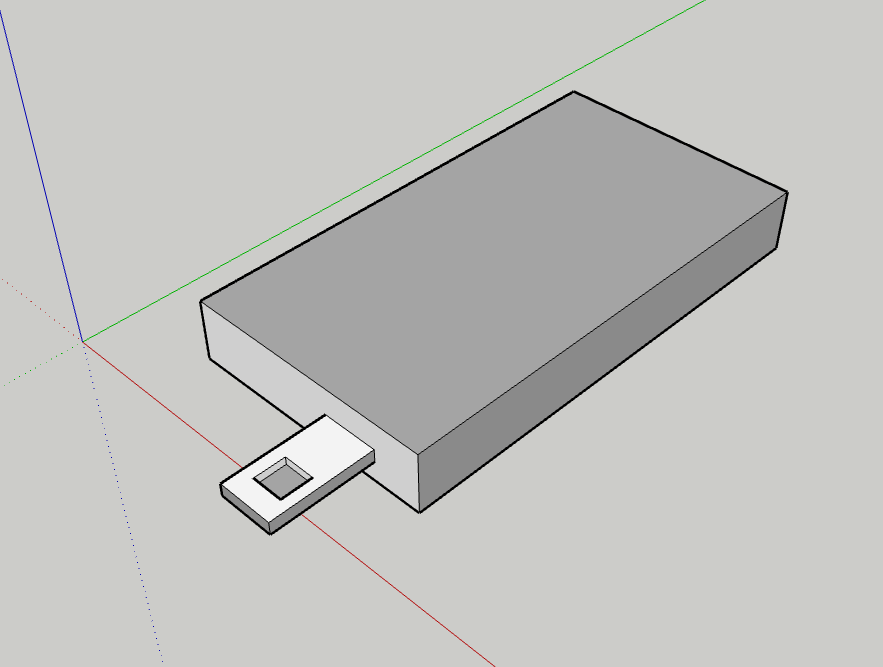
Figure description: A schematic showcasing the diagnostic device
Stage of Development:
Proof of Concept
Applications
- Detection of glioblastoma and other brain tumors
- Diagnosis of neurodegenerative diseases and brain cancers
- Creation of a spectral library of exosome molecular signatures
- Distinguishing healthy vs brain tumor patients from plasma exosomes
- Distinguishing different brain tumors from each other
Advantages
- Non-invasive due to the use of patient plasma samples
- High sensitivity and specificity even when differentiating similar neurological diseases
- The device is portable which allows point-of-care diagnosis
- Rapid turnaround time in diagnostic procedures
- Can assist physicians for deciding on whether further clinical tests required (MRI, biopsy, surgical removal of the tumor), and help reducing the unnecessary imaging/invasive surgical procedures
- Can detect tumor recurrence from post-surgical tissue changes that existing imaging techniques might fall short of, eliminating unnecessary imaging/invasice surgical procedures
Related Links
Patents
- Published Application: WO2025235544
Similar Technologies
-
CSF-Seq: Whole-transcriptome Sequencing of Cerebrospinal Fluid Cell-free RNA for Molecular Profiling of Neurological Disease, Including Leptomeningeal Metastasis S26-071CSF-Seq: Whole-transcriptome Sequencing of Cerebrospinal Fluid Cell-free RNA for Molecular Profiling of Neurological Disease, Including Leptomeningeal Metastasis
-
CCL5-mediated activation of immune adverse reaction in immune check point inhibitor-treated cancer patients S21-311CCL5-mediated activation of immune adverse reaction in immune check point inhibitor-treated cancer patients
-
Using Programmable Sound Waves to Control and Assemble Microscopic Particles S24-037Using Programmable Sound Waves to Control and Assemble Microscopic Particles