Docket #: S10-165
Subterranean thermal energy storage system for concentrating solar power
Researchers in the Stanford School of Sustainability have patented a sustainable, cost-effective, scalable subsurface energy storage system with the potential to revolutionize solar thermal energy storage by making solar energy available 24/7 for a wide range of industrial applications. Subsurface thermal energy storage addresses key challenges faced by solar thermal energy: intermittency and the need for large-scale, long-term storage. Instead of using above ground insulated tanks with exotic molten salts for energy storage, this method (see Figure 1) uses the vast pore volume of depleted oil and gas fields for heat storage, which reduces above-ground infrastructure, cuts costs, increases the amount of energy that may be stored, is scalable, and potentially reduces heat losses. The heat is stored in the reservoir until there is a demand for energy. The energy is brought to the surface and can be used to generate electricity or process heat, making the system adaptable for different industrial applications, and potentially converting solar thermal energy to a base load renewable energy.
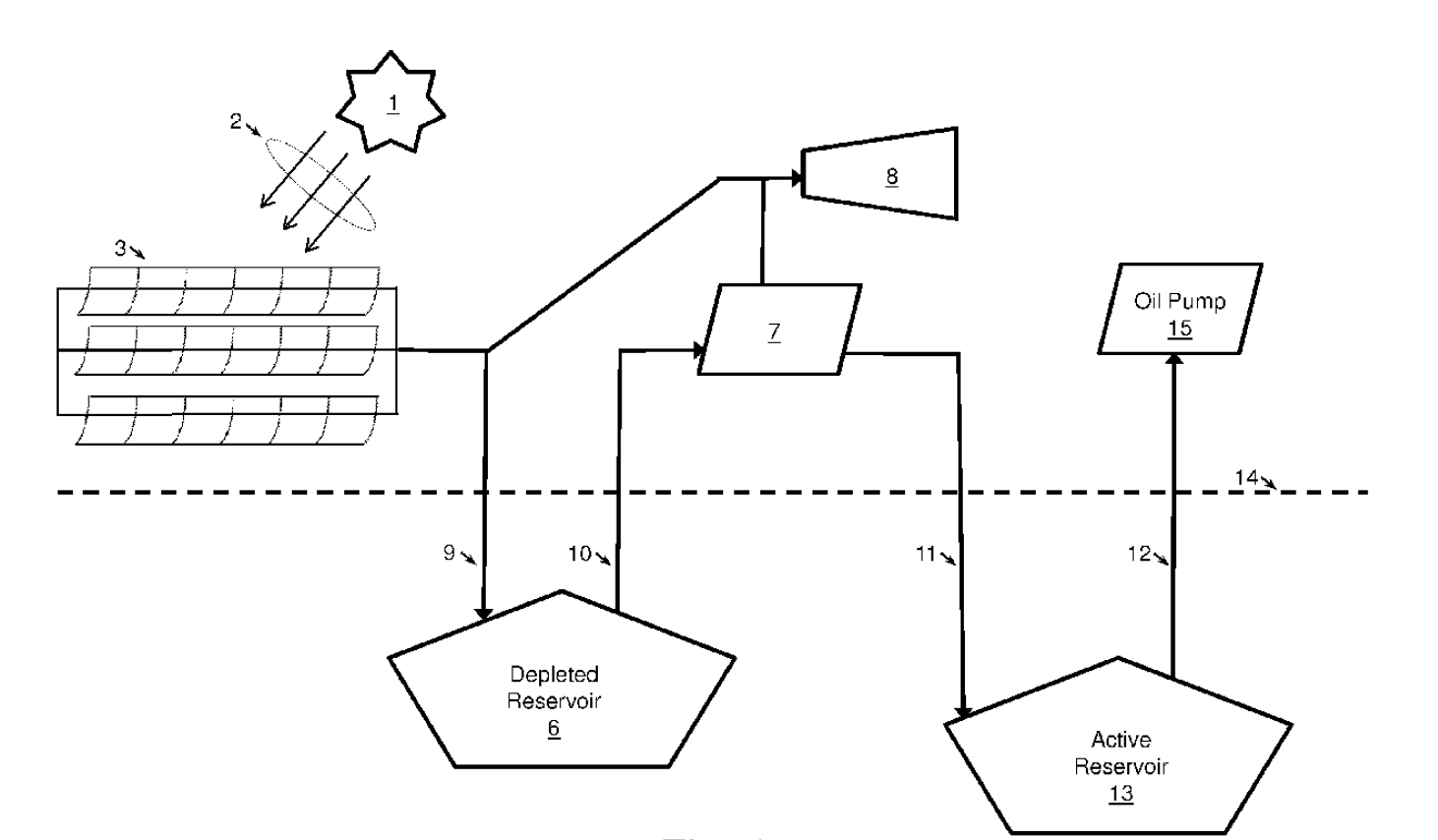
Figure 1 Subsurface storage system for thermal energy (Image courtesy SUETRI-A)
Solar collectors generate saturated steam, which is injected into underground reservoirs (ideally warmed from past thermally enhanced oil recovery (TEOR) processes, minimizing heat loss). Heat is withdrawn from the reservoir as saturated steam and is used to operate an active thermal recovery project (such as a producing thermally enhanced oil reservoir) and/or to generate electricity.
Applications
- Clean energy:
- Concentrated solar energy
- Steam-powered electricity generation
- Thermal oil recovery (TEOR) and decarbonization in oil production
- Industrial processes requiring heat
Advantages
- Reduces costs
- Less expensive than molten salts used in conventional solar heat storage
- Significantly reduces the need for above-ground infrastructure and costs compared to conventional systems
- Leverages existing oil field infrastructure
- Scalable, large-scale storage with expanded energy capacity
- Reduces heat loss
- Dual functionality and adaptable for different industrial applications
- Reduces carbon dioxide footprint of thermally enhanced oil recovery - shifts fuel from natural gas to solar radiation
- Balances the daily and seasonal variations of solar radiation
- Reduces operational risk - integration of existing geothermal and oil extraction techniques reduces operational risk and leverages geothermal technology to handle steam and mitigate issues like scale formation in wellbore equipment
Publications
- O'Donnell, J. S., & Kovscek, A. R. (2016). U.S. Patent No. 9,291,367. Washington, DC: U.S. Patent and Trademark Office.
- Sandler, J., G. Fowler, K. Cheng, and A. R. Kovscek, "Solar-Generated Steam for Oil Recovery: Reservoir Simulation, Economic Analysis, and Life Cycle Assessment," Energy Conversion and Management, 77, 721-732 (2014).
Related Links
Patents
- Published Application: 20130206134
- Issued: 9,291,367 (USA)
Similar Technologies
-
Automatic Power Exchange (APEX) for Distributed Energy Resource Networks S17-256Automatic Power Exchange (APEX) for Distributed Energy Resource Networks
-
Materials for low cost, scalable, thermochemical hydrogen production S16-325Materials for low cost, scalable, thermochemical hydrogen production
-
Efficient High-temperature Photoelectrochemical Cell S13-238Efficient High-temperature Photoelectrochemical Cell